
Backpacking is more than just traveling from one place to another; it’s an immersive journey that teaches independence, resourcefulness, and cultural appreciation. Whether you are a first-time traveler or an experienced explorer, following practical advice ensures that every trip is safe, organized, and memorable. This article provides comprehensive backpacking advice CWBiancaVoyage, covering everything from planning routes, packing efficiently, and choosing accommodation to staying safe and connected while traveling. By following these detailed insights, travelers can enjoy smoother journeys, maximize experiences, and minimize risks.
Planning Your Backpacking Journey
Proper planning is the cornerstone of a successful backpacking trip. It starts with defining your travel goals, destinations, and budget. Map out your intended route, identifying cities, towns, and natural landmarks to ensure you have realistic travel timelines. Consider factors such as seasonal weather, local festivals, and public transport availability. By planning ahead, you can avoid unnecessary expenses, last-minute stress, and missed opportunities. Backpacking advice CWBiancaVoyage emphasizes creating a flexible itinerary that allows for spontaneous adventures while maintaining structure. best guidelines for online gaming feedgamebuzz
Subheading: Setting Realistic Expectations
Understanding your limits and travel style is crucial. Some backpackers enjoy fast-paced city-hopping, while others prefer slow travel through rural landscapes. Setting realistic expectations about daily distances, accommodation quality, and personal comfort helps avoid burnout and ensures a fulfilling journey.
Choosing the Right Backpack and Gear
Selecting the correct backpack and essential gear is vital for long-term comfort and efficiency. Choose a lightweight, durable backpack with adjustable straps and sufficient compartments. Avoid overpacking; only bring what is necessary for hygiene, safety, and daily use. Essential items include weather-appropriate clothing, a compact first-aid kit, portable chargers, reusable water bottles, and multi-purpose tools. Backpacking advice CWBiancaVoyage recommends investing in quality gear that withstands rough terrain and unpredictable weather conditions.
Subheading: Prioritizing Versatile Clothing
Pack clothing that can be layered for different climates and purposes. Quick-dry fabrics, moisture-wicking shirts, and convertible pants are ideal. Including a compact rain jacket and sturdy walking shoes ensures comfort in both urban and natural environments.
Budgeting and Money Management
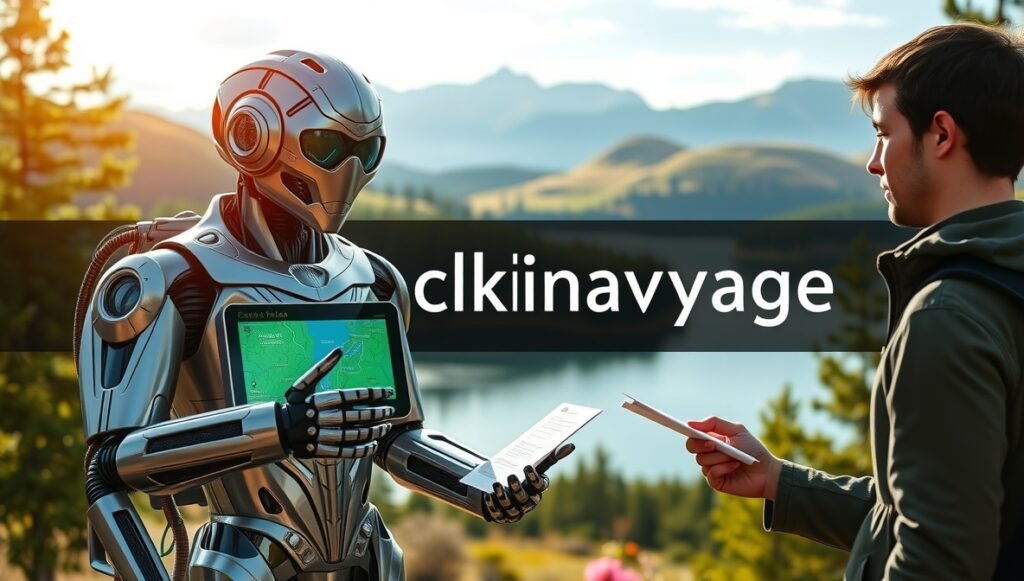
Managing finances efficiently is critical when backpacking. Set a realistic daily budget covering accommodation, food, transportation, and activities. Use local banks, secure ATMs, or international cards to minimize fees. Carry a mix of cash and digital payment methods for emergencies. Travel insurance is a non-negotiable investment to protect against health issues, theft, or travel disruptions. Backpacking advice CWBiancaVoyage stresses that thoughtful budgeting allows for enjoyable experiences without financial stress.
Subheading: Saving on Food and Lodging
Opt for local eateries, street food, or hostels to reduce costs while immersing yourself in authentic culture. Booking accommodations in advance can provide discounts, but remain flexible to seize last-minute deals.
Navigating Transportation Efficiently
Choosing transportation methods affects travel speed, comfort, and cost. Backpackers often use a combination of trains, buses, ferries, and shared rides to move between destinations. Research schedules, compare prices, and book in advance when necessary. For urban areas, local metro or bus services are often cheaper than taxis. Backpacking advice CWBiancaVoyage highlights the importance of understanding regional transport norms and safety regulations.
Subheading: Using Technology for Planning
Apps for route planning, ticket booking, and real-time transport updates reduce uncertainty. GPS tools help navigate remote locations and prevent getting lost in unfamiliar areas.
Accommodation Tips for Backpackers
Choosing safe, affordable, and convenient lodging enhances the travel experience. Options include hostels, guesthouses, budget hotels, and homestays. Evaluate reviews, check security measures, and confirm amenities like lockers, Wi-Fi, and common areas. Backpacking advice CWBiancaVoyage encourages social accommodations, which provide opportunities to meet other travelers and share experiences.
Subheading: Hostels vs. Private Rooms
While hostels offer cost savings and social interaction, private rooms provide more privacy and security. Decide based on personal preference, travel goals, and budget constraints.
Safety and Health Considerations
Safety is paramount during backpacking. Always remain aware of your surroundings, avoid risky areas, and secure your belongings. Vaccinations, travel insurance, and first-aid knowledge are essential for health emergencies. Keep digital copies of important documents, such as passports, tickets, and insurance policies. Backpacking advice CWBiancaVoyage recommends having local emergency contacts and understanding cultural norms to avoid misunderstandings.
Subheading: Personal Safety Measures
Use money belts or hidden pouches, avoid displaying expensive electronics publicly, and remain cautious when traveling alone at night. Awareness and preparedness minimize potential threats.
Cultural Etiquette and Language
Understanding local customs and basic language phrases improves travel experiences. Respect traditions, dress codes, and public behavior norms. Learning a few key phrases in the local language builds rapport and opens doors to authentic interactions. Backpacking advice CWBiancaVoyage emphasizes that cultural sensitivity enhances your journey and fosters positive connections with locals.
Subheading: Engaging with Local Communities
Participate in local events, markets, or volunteer opportunities to gain deeper cultural insight. Showing genuine interest in local culture often results in memorable interactions and travel stories.
Sustainable and Responsible Travel
Modern backpackers are encouraged to minimize environmental impact. Reduce waste by carrying reusable containers, avoiding single-use plastics, and respecting natural sites. Support local businesses and ethical tourism practices to benefit communities economically and socially. Backpacking advice CWBiancaVoyage reminds travelers that responsible practices preserve destinations for future explorers.
Subheading: Eco-Friendly Travel Choices
Choose eco-lodging, walk or cycle short distances, and participate in conservation initiatives. These small actions collectively make a meaningful impact.
Technology and Connectivity
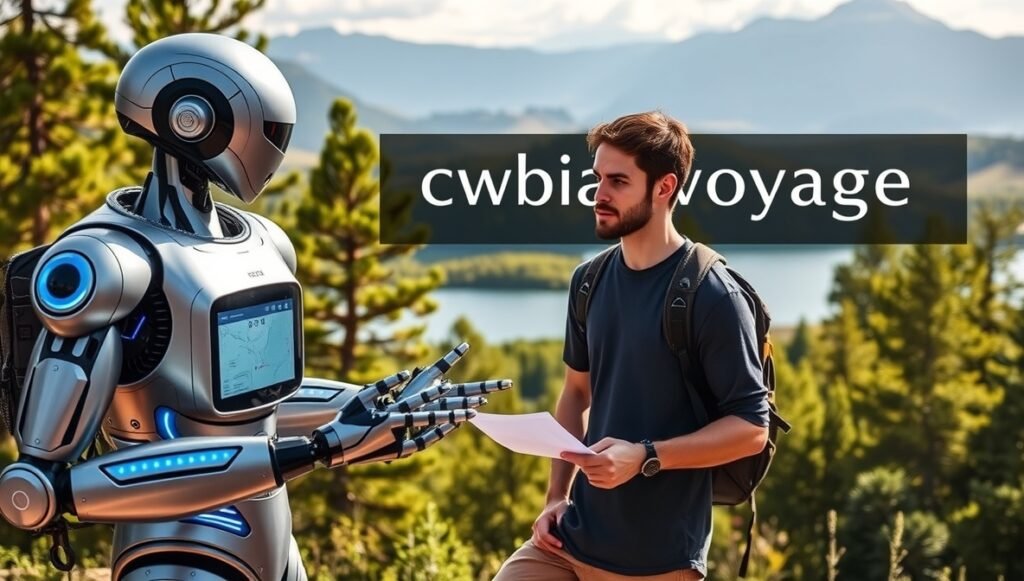
While backpacking, staying connected enhances planning, navigation, and communication. Use travel apps for accommodation booking, route mapping, and currency conversion. Local SIM cards or portable Wi-Fi devices maintain connectivity. Backpacking advice CWBiancaVoyage highlights that technology should be used wisely to balance exploration with real-world experiences.
Subheading: Balancing Digital Use
Avoid over-reliance on devices. Disconnect regularly to fully experience your surroundings, capture memories, and interact with people face-to-face.
FAQs About Backpacking
- How do I start planning a backpacking trip?
Begin by selecting destinations, setting a budget, and mapping a flexible itinerary. Research transport, lodging, and local customs before departure. - What essentials should I pack for backpacking?
Include versatile clothing, first-aid kits, chargers, reusable water bottles, and travel documents. Keep weight manageable for comfort. - How can I travel safely as a solo backpacker?
Stay aware of surroundings, secure belongings, avoid risky areas, and maintain local emergency contacts at all times. - How can I save money while backpacking?
Use budget accommodation, eat local food, travel via public transport, and plan activities with cost efficiency in mind. - How can I immerse in local culture while backpacking?
Respect customs, learn basic phrases, attend local events, and interact respectfully with residents to gain authentic experiences.
Conclusion
Backpacking offers a unique way to explore the world while developing independence, adaptability, and cultural understanding. By following detailed backpacking advice CWBiancaVoyage, travelers can plan effectively, pack smartly, manage budgets, and stay safe while connecting with local communities. Each journey becomes more enriching when approached with preparation, respect, and mindfulness. Whether you are traveling solo, with friends, or in a group, implementing these tips ensures memorable and fulfilling adventures across diverse destinations.